
Advancing ourunderstanding of whatit means to be human.
Frontier is Conscium's long-horizon research programme into machine consciousness. We study the nature of awareness, self-representation, and context understanding in intelligent systems. This work shapes everything we build.
Guiding research into machine consciousness
It is possible that in the coming years or decades, AI researchers will develop machines which experience consciousness. This will raise many ethical questions. Conscium has worked with Patrick Butlin of Oxford University to draw up the following five principles to guide any organisation engaged in research that could lead to the creation of conscious machines. If you agree with them, we invite you to sign the open letter.
Developed with Patrick Butlin of Oxford University. 173 signatories to date, including Stephen Fry, Karl Friston, and Mark Solms.

- 01ObjectivesOrganisations should prioritise research on understanding and assessing AI consciousness — to prevent mistreatment of conscious AI systems, and to understand the benefits and risks associated with consciousness in AI.
- 02DevelopmentOrganisations should pursue the development of conscious AI systems only if doing so will contribute significantly to the stated objectives, and only if effective mechanisms are in place to minimise the risk of suffering.
- 03Phased approachOrganisations should progress gradually towards systems more likely to be conscious, implementing strict and transparent risk protocols throughout, and consulting external experts at each stage.
- 04Knowledge sharingOrganisations should maintain a transparent knowledge sharing protocol — making information available to the public, research community, and authorities, except where doing so could enable irresponsible actors to cause harm.
- 05CommunicationOrganisations should refrain from overconfident or misleading statements about their ability to create conscious AI. They should acknowledge inherent uncertainties and the potential impact that communication about AI consciousness has on public perception and policy.
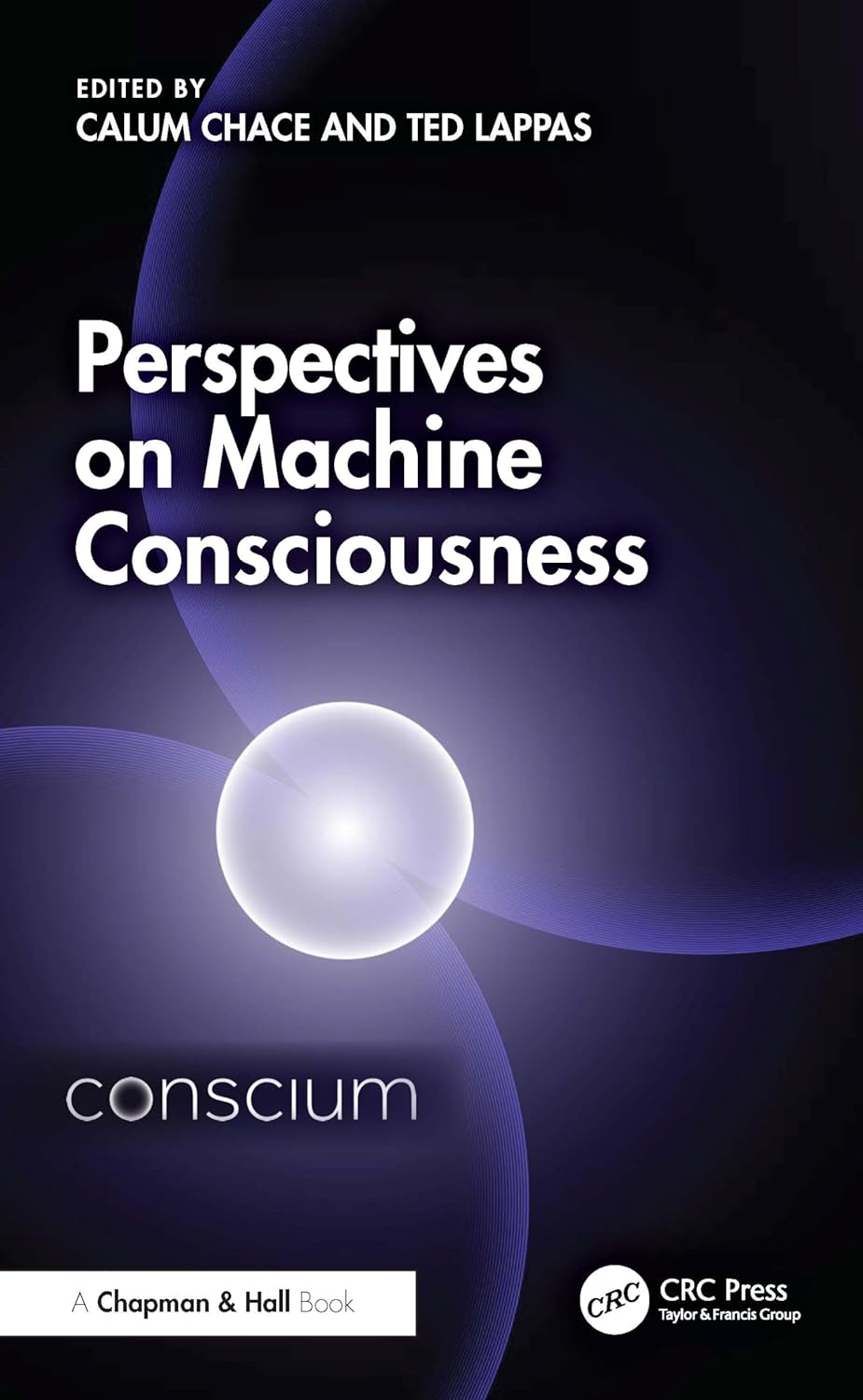
Perspectives on Machine Consciousness
Perspectives on Machine Consciousness asks whether any AIs are conscious today, whether any future ones could be conscious, how we could know, and what implications machine consciousness would have for us, and for them.
As AI improves rapidly in performance and capability, these questions are increasingly important. We do not fully understand how they work, and even some of the leading LLM developers say they cannot be sure that today’s models are not sentient, though many people are forming relationships with them, sometimes intimate ones. The book explores consciousness alongside our interactions with AI, including the critical need to avoid committing mind crime by causing artificial minds to suffer, as well as considering that if and when superintelligence arrives, its enormous effect on humanity may be significantly determined by whether or not it is conscious. Authors show that machines becoming conscious means we may learn a great deal about our own consciousness – arguably the most important thing about us, and yet deeply mysterious.
This book is required reading for anybody developing advanced AI, working in AI safety, responsible for developing AI policies at organisational or national level, and indeed anybody concerned with the long-term future of humanity.
If you want to understand the questions that drive Frontier — and why they matter — this is the place to start.